
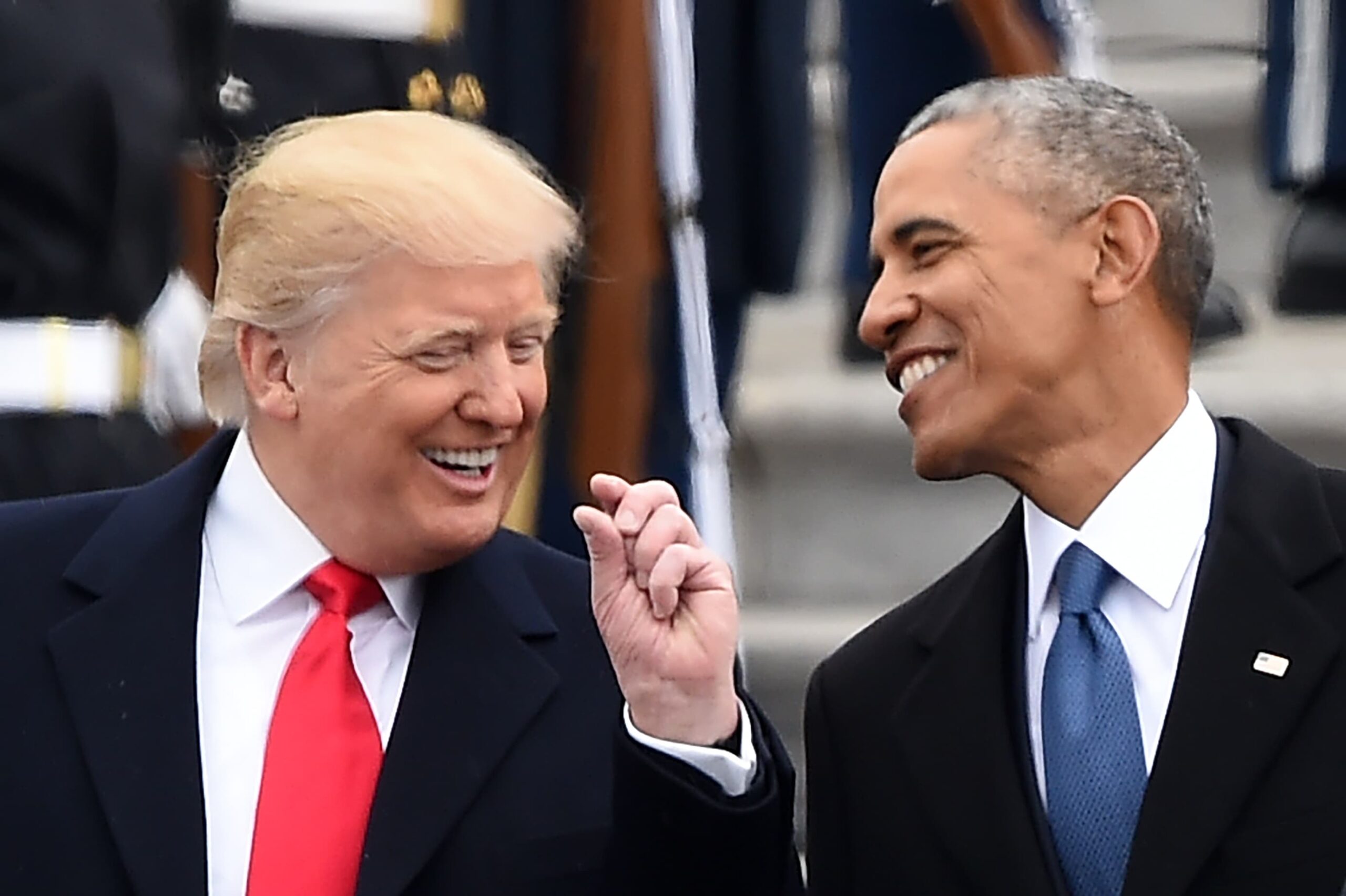
Barack Obama, despite his celebrated presidency, played an underappreciated role in the stunning rise of Donald Trump. This may be old news for some but I wanted to publish this article to examine how missteps – from tacitly acknowledging Trump’s provocations to overconfidence and strategic misfires inadvertently paved the way for Trump’s ascent.
1. Conceding the “Birther” Movement
It all started in 2011 when Trump revived and amplified the “birther” claims by demanding Obama reveal his birth certificate. In April 2011, after much pestering from Donald Trump on social media, Obama finally released the long-form birth certificate in an effort to refocus the American nation on more pressing issues. Trump nonetheless continued to cast doubt, even after the release – tweeting in 2012 about a supposedly “fraudulent” certificate (Vanity Fair) and (FactCheck).
Obama’s eventual transparency was seen by Trump and his base as validation for his persistence: the Trump campaign claimed he “finished” the birther controversy, though fact-checkers deem that inaccurate. In essence, Obama’s concession gave Trump’s attacks a veneer of legitimacy – an unintentional boost in relevance. (PolitiFact), (Time), and (The New Yorker).
2. Public Ridicule That Backfired
At the 2011 White House Correspondents’ Dinner, Obama targeted Trump with humor – delivering punchlines like: “No one is happier… that the birth-certificate matter is behind us than the Donald.” (YouTube). Years later at the 2016 Correspondent’s’ Dinner, Obama concluded his final jab at Trump with a literal mic drop, a flourish celebrated widely (YouTube) – albeit Trump celebrated the last laugh on that by actually getting elected.
Instead of diminishing Donald Trump, the mockery arguably emboldened him – framing Trump as a foil to establishment elites. Reports suggest Trump aides believed Obama’s comedic attacks reinforced Trump’s populist appeal.
Obama’s treatment of Trump on the public stage such as in interviews or sketches displayed a degree of overconfidence of his whole establishment. When asked if he could envision Trump in the Oval Office, he quipped, “I can imagine it in a Saturday Night Live skit”. This comedic dismissal reflected a fundamental strategic blindness.
3. Lack of a Strong Succession Plan
The Obama era lacked a deliberate successor grooming strategy. His closeness to the Clintons was expected; but in contrast to a more robust strategic handoff, the 2016 Democratic ticket felt reactive. Hillary Clinton, burdened by controversies such as the email scandal and foreign policy missteps (e.g., perceptions surrounding the Arab Spring response), proved a weaker matchup against a rising Trump. Hilary’s command of the superPACS over Bernie Sanders also framed her as an elitist establishment candidate that repulsed many American voters. In fact, Sanders had something in common with Trump: being a grassroots candidate. The Democratic party’s miscalculation, intentional or not, contributed to the party’s drift and Trump’s spectacular momentum.
4. Eloquence Without Authority
Obama’s skill in oration stood in stark contrast to Trump’s raw, populist energy. Obama represented a polity of reasoned debate; Trump offered primal authenticity. To many voters, Obama’s brand of liberalism appeared elitist, “arrogant intellectualism”, that lacked emotional resonance. This contrast may have tilted sentiment toward Trump’s brand of interactive leadership.
5. Long-Term Fallout for the Democratic Party
Even years later, the Democratic Party remains entangled in the aftermath of 2016. Joe Biden, with his perceived incoherence, and Kamala Harris, whom some question as ill-prepared, exemplify the party’s persistent search for credible voices. Masculinity researcher Richard Reeves highlights significant strategic missteps made by the Democratic Party in recent elections, particularly in 2024. Reeves observes that Democrats often framed their message to young American males as: “If you care about the women in your life, you should vote for us. Or maybe the reason you’re not voting for us is because you’re secretly a little bit sexist.” This rhetorical approach rooted in shaming, guilt-tripping, or attempting to instill fear proved, according to Reeves (Guardian), profoundly ineffective in persuading young male voters. In contrast, Donald Trump sought to humanize himself by engaging with controversial but widely popular platforms such as The Joe Rogan Experience and speaking directly to young males about their struggles. Obama, Biden, and Harris, by comparison, largely dismissed such venues/podcasts as “misinformed” and avoided them altogether (Financial Times). This raises an important question: is it identification of misinformation or perceived authenticity that ultimately resonates with the American electorate?
Conclusion
Barack Obama’s election to the White House as the first Black president was a historic achievement for America. However, his approach to Trump may have unintentionally enabled Trump’s rise, thereby contributing to another historical turning point for the country. From conceding to Trump’s attacks, to belittling an emerging force, to failing to plan robustly for the party’s future, Obama’s world; a world rooted in decorum, intellect, and deliberation, struggled to counter a visceral, disruptive populism.
If I were a Democratic strategist, I would have advised distancing from Obama politically to better position the party for the era that followed; but I am neither a Democrat nor an American.